A comfortable home is not defined by attractive furniture, coordinated colours, or stylish decorations alone. The way a space functions during everyday activities is equally important. Practical storage, well-maintained fixtures, functional doors, and comfortable living areas all contribute to a home that supports daily routines.
Over time, even carefully designed homes experience wear. Cabinet doors become loose, walls develop small cracks, and outdoor surfaces require maintenance. Although these problems may seem minor, addressing them can make everyday spaces more convenient and enjoyable.
For homeowners in Ottawa and the National Capital Region, thoughtful improvements also involve considering seasonal weather conditions and the ongoing maintenance needs of residential properties.
Fortunately, creating a more functional home does not always require extensive renovations. Small repairs and practical adjustments can help existing spaces work better.
Why Functionality Matters Alongside Interior Design
Interior design often focuses on appearance, but successful living spaces also need to support how people actually use them.
A beautifully decorated kitchen may still feel inconvenient if cabinets are difficult to open or storage is poorly organized.
Similarly, an attractive living room may become uncomfortable when damaged doors, loose fixtures, or inadequate shelving interfere with everyday activities.
Functionality begins with identifying these practical challenges.
Homeowners may consider local repair providers such as Gillespie Handyman Services when maintenance projects require additional tools or experience.
The goal is to create spaces that balance appearance, convenience, and long-term usability without introducing unnecessary complexity.
Improve Storage and Shelving Solutions
Storage is one of the simplest areas to reconsider when improving a home’s functionality.
Cluttered countertops, crowded closets, and overflowing cabinets can make otherwise spacious rooms feel disorganized.
Adding appropriate shelving, improving closet arrangements, or reorganizing existing storage can make frequently used items easier to access.
For example, wall-mounted shelves may provide additional storage in a home office, while improved closet organization can help manage clothing and household supplies.
Kitchen cabinets may also benefit from practical organizers that make better use of available space.
Any installed shelving should be properly supported and suitable for its intended load.
Thoughtful storage improvements can help rooms feel more organized without changing their overall layout.
Repair Damaged Drywall and Refresh Interior Paint
Walls contribute significantly to the visual character of a room.
Small drywall cracks, dents, nail holes, and uneven patches can make interior spaces appear unfinished.
Addressing these imperfections can help restore a cleaner and more consistent appearance.
Refreshing paint is another practical improvement, particularly in hallways, living rooms, and other frequently used areas.
Homeowners may choose colours that complement existing furnishings and allow natural light to remain an important design feature.
However, recurring cracks, bubbling paint, or water stains should be investigated before cosmetic repairs are completed.
These symptoms may indicate moisture or movement problems requiring additional attention.
A well-maintained wall surface supports both the appearance and overall condition of an interior space.
Maintain Doors, Trim, and Everyday Fixtures
Doors, handles, hinges, and trim are used regularly but often receive little attention until something stops working properly.
A sticking door may interrupt movement between rooms, while loose handles or damaged cabinet hardware can make everyday tasks inconvenient.
Homeowners should periodically inspect frequently used doors and fixtures.
Minor adjustments or suitable hardware replacement may restore normal operation.
Damaged baseboards, chipped trim, and loose decorative mouldings can also affect a room’s finished appearance.
In older homes, recurring alignment problems may require further assessment rather than repeated temporary adjustments.
Maintaining these details helps interiors remain practical and visually consistent.
Update Worn Kitchen and Bathroom Details
Kitchens and bathrooms are among the busiest areas of a home.
Because these rooms experience frequent use and moisture exposure, small maintenance concerns can develop gradually.
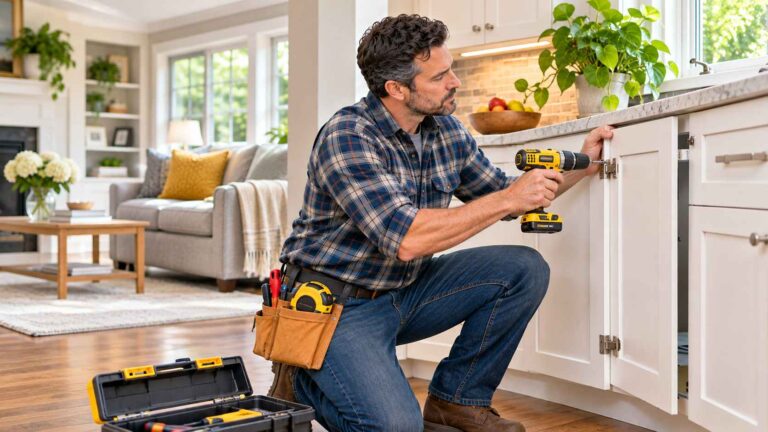
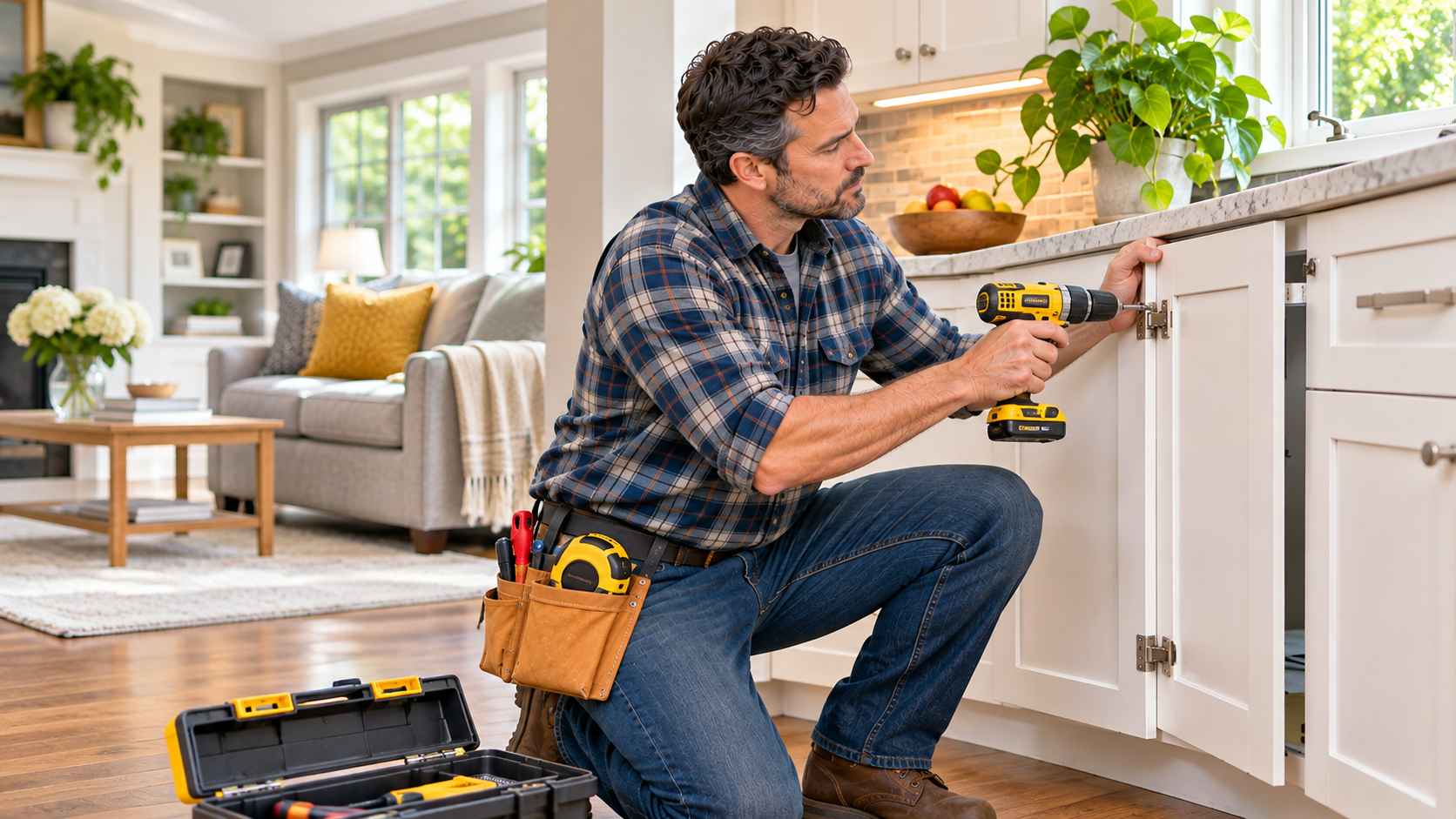
Loose cabinet hinges, damaged handles, deteriorating caulking, and dripping faucets may affect daily convenience.
Addressing these issues can help improve functionality without requiring a complete renovation.
For example, replacing damaged cabinet hardware may make storage easier to use, while renewing deteriorated sealant can help protect surrounding surfaces when the underlying area is sound and dry.
Bathroom fixtures should also be checked for proper operation and visible leaks.
Larger plumbing or electrical concerns should be assessed by appropriately qualified professionals.
The priority should be maintaining dependable everyday features before considering optional decorative upgrades.
Keep Decks, Porches, and Outdoor Areas Usable
Outdoor living spaces can function as extensions of the home.
Decks, patios, porches, and entrance areas provide opportunities for relaxation, entertaining, and spending time outdoors.
However, exposure to rain, snow, sunlight, and changing temperatures can gradually affect these surfaces.
For Ottawa homeowners, seasonal inspections are especially useful after winter.
Deck boards, stairs, railings, and visible supporting components should be checked for damage.
Loose railings, unstable steps, and deteriorating structural elements deserve professional attention before the area is used.
Maintaining outdoor lighting, clear pathways, and functional seating areas can also improve convenience.
A usable outdoor space does not necessarily require elaborate landscaping or expensive additions.
Address Concrete and Exterior Maintenance Issues
Exterior surfaces play an important role in a property’s appearance and accessibility.
Concrete walkways, entrance steps, and driveways may develop cracks or surface deterioration over time.
Ottawa’s freeze-thaw conditions can contribute to damage when moisture enters existing openings and expands during freezing weather.
Homeowners should also inspect siding, soffits, fascia, and visible foundation finishes for deterioration.
Loose siding, damaged parging, or poorly functioning eavestroughs may require maintenance.
Not every minor crack indicates a serious problem, but widening damage, uneven walking surfaces, and persistent moisture concerns deserve assessment.
Maintaining these exterior components helps support a property’s usability while keeping entrances and surrounding areas in suitable condition.
How Small Repairs Improve Everyday Living
The practical benefits of maintenance are often most noticeable through ordinary routines.
A properly functioning cabinet makes kitchen storage easier to access.
A repaired door prevents unnecessary frustration when moving between rooms.
Organized shelving can reduce clutter and make shared spaces more convenient.
Similarly, maintaining exterior steps and walkways helps residents and visitors access a property more comfortably.
These improvements may not dramatically change the home’s appearance, but they can make existing spaces easier to use.
Homeowners can identify useful projects by observing which household problems repeatedly interrupt their activities.
Addressing those concerns often provides a sensible starting point for home improvement planning.
Prioritize Improvements Based on Practical Needs
Not every repair or improvement needs to happen immediately.
A useful approach is to divide projects into safety concerns, necessary maintenance, and optional cosmetic improvements.
Loose railings, active water leaks, and visibly unsafe structures should receive prompt attention.
Functional concerns, such as damaged doors or deteriorating fixtures, can be scheduled according to their condition and impact on daily activities.
Decorative updates may be considered after essential maintenance has been addressed.
Homeowners should also evaluate available budgets, materials, and the time needed to complete each project.
Planning smaller improvements gradually can make home maintenance more manageable without requiring a major renovation budget.
Know When Professional Repair Assistance Is Appropriate
Some household maintenance tasks are straightforward, while others require specialized tools, experience, or professional qualifications.
Repairs involving significant water damage, electrical systems, structural concerns, or working at heights may involve additional safety risks.
Homeowners exploring home improvement and handyman repair services can review available assistance for general maintenance, drywall, painting, exterior repairs, and other household improvement projects.
Before hiring a contractor, it is important to understand the proposed work, materials, scheduling, and payment arrangements.
The Government of Ontario provides information about homeowner rights when starting renovations or repairs, including guidance on evaluating contractors, obtaining written estimates, and understanding renovation contracts.
Projects involving regulated work may require permits or appropriately licensed professionals.
Clear expectations help ensure that improvements are planned responsibly.
Conclusion: Functional Homes Begin With Thoughtful Maintenance
Creating a more functional home does not always involve major renovations or extensive design changes.
Small improvements to storage, drywall, paint, doors, fixtures, kitchens, bathrooms, and outdoor areas can make everyday spaces more practical and comfortable.
For homeowners in Ottawa, regular maintenance also helps address wear associated with seasonal weather conditions.
By identifying recurring inconveniences, prioritizing necessary repairs, and seeking qualified assistance when appropriate, homeowners can make better use of their existing spaces.
Ultimately, thoughtful maintenance and practical improvements help create a home that looks welcoming while supporting the activities and routines of everyday life.